
Delivered in 4-5 business days.
Nuclear Policy
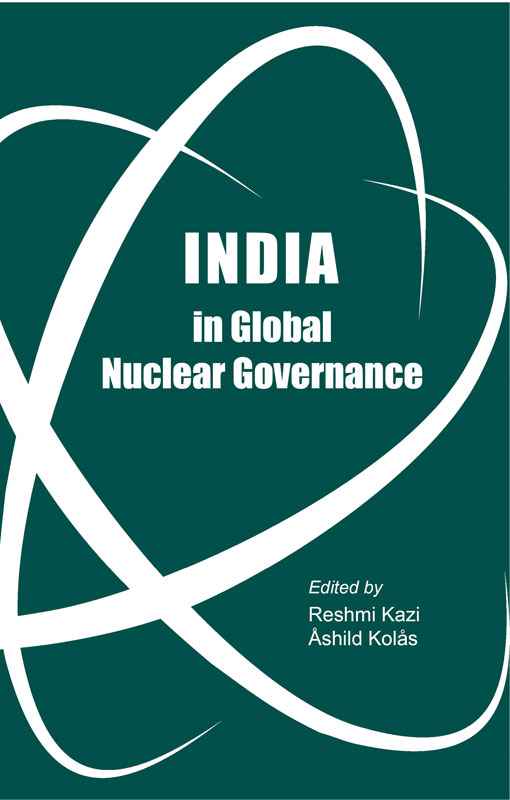
India in Global Nuclear Governance
In the prevailing international security situation, the world community, including India believes nuclear security must be conferred high priority for global peace and security. As a responsible member of this community, India finds itself prioritizing this aspect more than ever before.
- Format
- HardBack
- Pages
- 176 pp
- Year
- 2019
- ISBN
- 9789387324985
About the Book
In the prevailing international security situation, the world community, including India believes nuclear security must be conferred high priority for global peace and security. As a responsible member of this community, India finds itself prioritizing this aspect more than ever before. In its more than five decades of its nuclear weapons programme, there has not been a single nuclear incident in India. Despite so, India has not allowed any complacency in its efforts to combat the threat of nuclear terrorism. India believes that in the twenty-first century nuclear terrorism is a significant threat that poses catastrophic consequences to world peace and security. It is this understanding that makes India to reject a potent argument that nuclear terrorism as an overrated threat. India has strongly contended skeptics that since the probability of nuclear terrorism is extremely remote, it does not deserve much attention India’s nuclear policy is premised upon the appreciation that it is essential to ensure that nuclear weapons, materials and technology never falls into wrong hands. Hence, it is essential to plug any weak link in the chain of nuclear security. India’s seriousness towards combatting against nuclear terrorism is evident from the fact that it has actively participated in the entire Nuclear Security Summit process from 2010 to 2016. India continues to render its vital support to global cooperation and diplomacy in building effective defences against the threat of nuclear terrorism.