
Delivered in 4-5 business days.
General Non-fiction
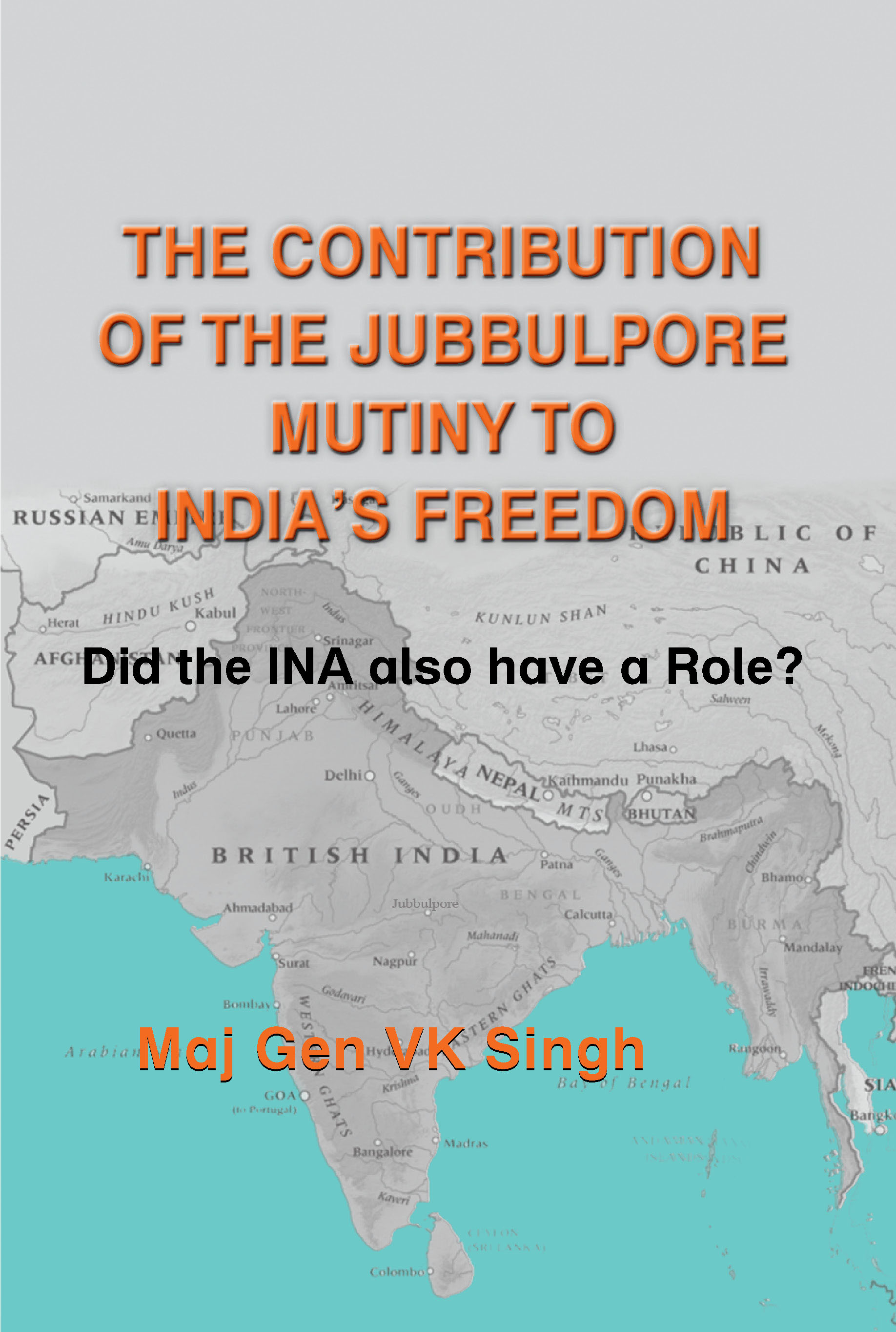
The Contribution of The Jubbulpore Mutiny to India’s Freedom: Did the INA also have a Role?
Soon after the end of World War II, there were mutinies in the Royal Indian Navy, the Royal Indian Air Force and the Indian Army in February 1946. At the same time, trials of three prisoners of the Indian National Army were being held at the Red Fort in Delhi.
- Format
- PaperBack
- Pages
- 192 pp
- Year
- 2022
- ISBN
- 9789394915084
About the Book
Soon after the end of World War II, there were mutinies in the Royal Indian Navy, the Royal Indian Air Force and the Indian Army in February 1946. At the same time, trials of three prisoners of the Indian National Army were being held at the Red Fort in Delhi. After the mutinies, the British realised that they could no longer depend on the armed services, especially the Army, which was the only instrument of control over the sub-continent.
Most INA veterans claim that they played a major role in India’s independence from British rule. This is based on the assumption the mutinies were inspired by the INA. This hypothesis is flawed and is not supported by the available evidence. The contributions of the armed forces as well as the INA have been discussed in this book, based on official documents, books written by well-known historians as well as personal narratives of the persons involved. From the evidence on record it is clear that the Army Signals mutiny at Jubbulpore in 1946 played a crucial rule in the decision of the British to quit India and also to advance the date of departure from June 1948 to August 1947.