
Delivered in 4-5 business days.
Regional & Country Studies
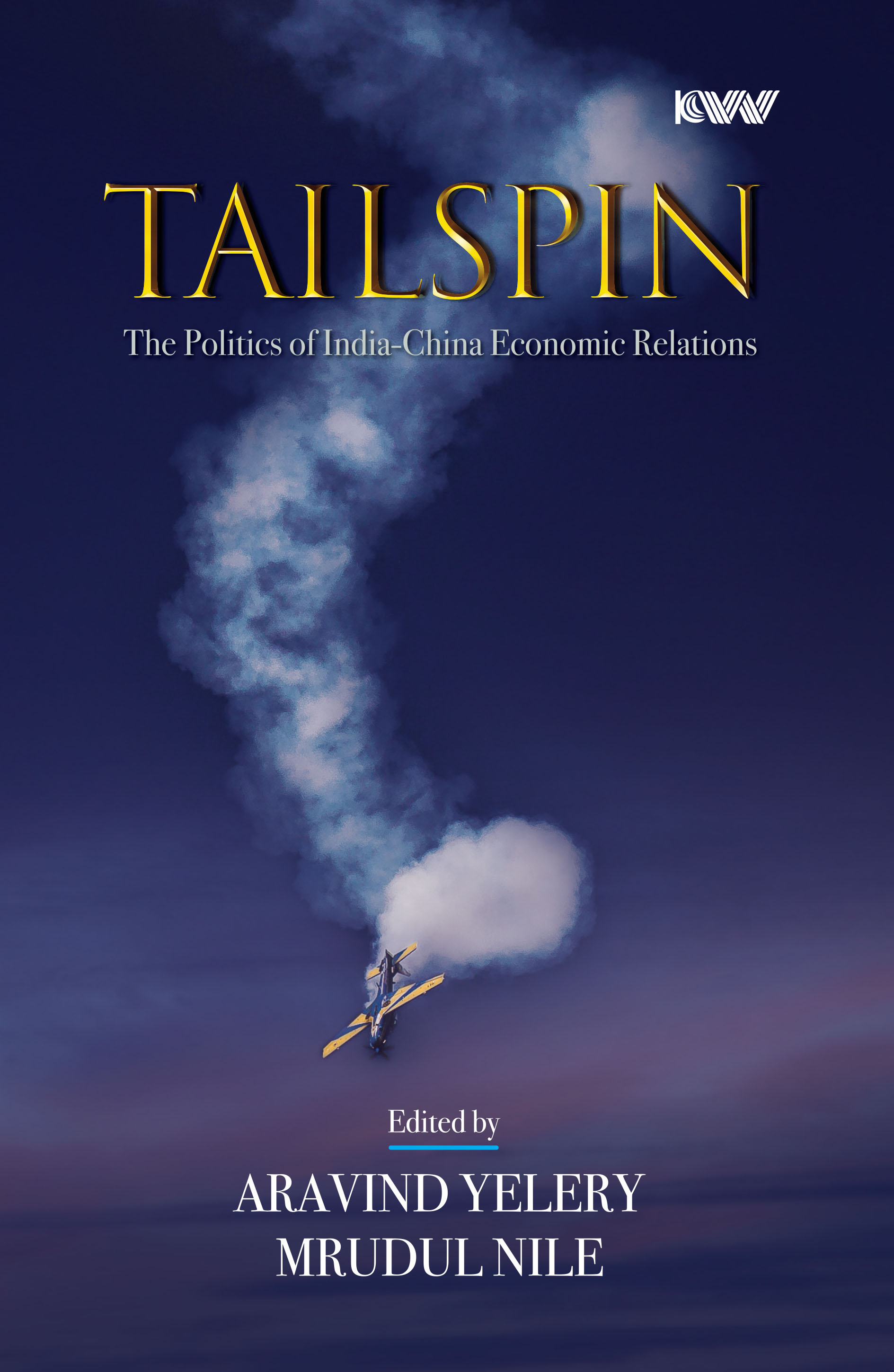
TAILSPIN The Politics of India-China Economic Relations
In recent decades, Asia’s ascent has been contextualized as the rise of two major neighboring countries in Asia – India and China. Besides voluminous work on the prospects and convergences between the two, currently they stand at an intersection of time where suspicion and mistrust veils the confidence.
- Format
- HardBack
- Pages
- 424 pp
- Year
- 2020
- ISBN
- 9789389137842
About the Book
In recent decades, Asia’s ascent has been contextualized as the rise of two major neighboring countries in Asia – India and China. Besides voluminous work on the prospects and convergences between the two, currently they stand at an intersection of time where suspicion and mistrust veils the confidence. A degree of uncertainty arises from the more profound paradoxes, and India has been falling short in escaping the tailspin China has created in the bilateral, regional and global economic dynamics.
India’s China relations is not just about boundaries and boycott of Chinese products. The root of the relationship lies in deficiency of trust, knowledge, and repository of experts on China. To deal with India’s China Tailspin effectively, one must know and comprehend China thoroughly. This book brings out several aspects of India’s political-economic relations with China on the table. The book underlines the fact that while leveraging China’s inherent contradictions, India has to deleverage from China’s subtle global aspirational designs of domination.
Besides analyses on leadership, state capitalism, and geo-economics, the book describes special cases such as the Trade War, Structural Conflicts in Chinese Political Economy, Bangladesh-China-India-Myanmar Economic Corridor, WTO negotiations, Maritime trade, Belt and Road Initiative, and Taiwan to better elaborate the stakes involved in dealing with China. The recent boundary tension created a long tailspin, which in turn set off a raucous debate over China’s economic diplomacy and how India could comprehend it well.