
Delivered in 4-5 business days.
Regional & Country Studies
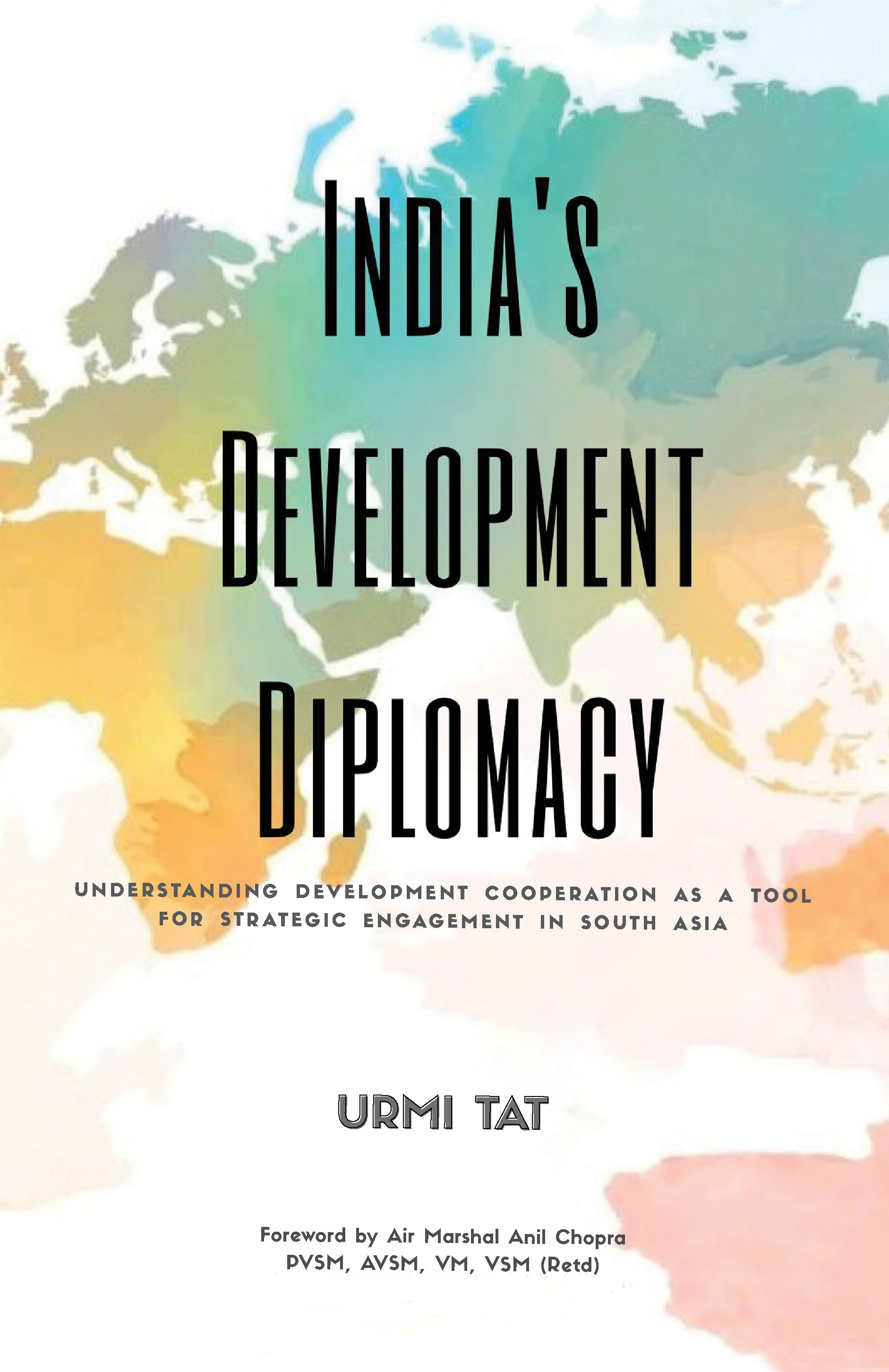
INDIA’S DEVELOPMENT DIPLOMACY UNDERSTANDING DEVELOPMENT COOPERATION AS A TOOL FOR STRATEGIC ENGAGEMENT IN SOUTH ASIA
With rich data and analyses of diverse ways and means over the past 75 years, this book makes a systematic study of synergy between cooperation for development and foreign policy of key nations. India’s own contribution via multiple forums of South-South cooperation, including in the South Asian neighborhood, forms its rewarding crux.
- Format
- HardBack
- Pages
- 286 pp
- Year
- 2022
- ISBN
- 9789391490324
About the Book
With rich data and analyses of diverse ways and means over the past 75 years, this book makes a systematic study of synergy between cooperation for development and foreign policy of key nations. India’s own contribution via multiple forums of South-South cooperation, including in the South Asian neighborhood, forms its rewarding crux. Author assesses particular strengths, recent dynamism as well as challenges inherent to India’s emerging development diplomacy to suggest way forward.
Sheel Kant Sharma, Former Secretary General to SAARC
In a comprehensive account of Indian aid diplomacy Urmi Tat covers new ground by drawing attention to the influence of India’s experience as a recipient of development aid, on its policy as an aid provider. By prioritising the needs of aid receiving countries rather than project its own interests India has sought to define a new approach to development cooperation. This book is a valuable contribution to the literature on Indian foreign policy
SanjayaBaru, Former Media Advisor to the
Prime Minister of India
Urmi Tat’s book tells the complex story of India’s development diplomacy in South Asia. It offers fresh insights and practical recommendations for proactively engaging the contested space of the region’s development politics. Sharp, clear-headed, and policy-relevant, this book is a timely addition to the literature on India’s engagement with South Asia
Happymon Jacob, Associate Professor of International Relations,
 Jawaharlal Nehru University
This book offers a comprehensive overview of India’s development cooperation mechanisms with useful case studies on four of its neighbours. By mapping India’s development efforts and comparing them to Western and Chinese models, Urmi Tat throws light on an increasingly critical but understudied dimension of India’s foreign policy and economic diplomacy. This work of applied scholarship is of tremendous relevance as India seeks to institutionalize its development program to enhance the country’s international image and influence.
 Constantino Xavier, Fellow,Centre for Social and Economic Progress
book
Development diplomacy is seen as the new frontier of strategic studies. It is an arm of economic cooperation that involves a range of actions, from infrastructure building to skill development. It implies sustained and long-term cooperation which apart from ensuring socio-economic upliftment of the recipient country, is used as diplomatic leverage for foreign policy manoeuvres.
The book examines India’s development cooperation policy over the years, in its neighbourhood and aims to fill the gaps in its approach. It compares the practices of traditional donors like the United States and emerging donors like Japan and South Korea, among others, to find the best practices for India. It particularly helps dissect China’s Belt and Road Initiative as a challenge to India’s development cooperation policy in South Asia.
Development cooperation as a pillar of foreign policy is a means to extend India’s influence in its dynamic neighbourhood, an avenue for greater South-South cooperation and a vehicle to counter Chinese economic prowess.